Macun vs. Honey: What are the differences?
When you first encounter Macun, you might quickly ask yourself: „Isn’t that just honey?“ – but despite their similar consistency, they are two completely different products, each with its own cultural significance, production method, and unique flavor. In this article, we’ll clarify the most important differences between Macun and regular honey.
What is Macun?
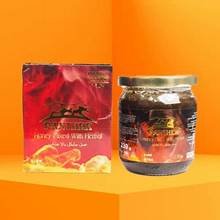
Macun (also spelled Mesir Macunu) is a traditional Ottoman sweet originating in Turkey. It is a thick, aromatic paste made from a mixture of various herbs, spices, and natural sweeteners. It is most often consumed as a tonic, a sweet treat, or a traditional medicinal product.
Typical ingredients of Macun:
sugar or grape syrup
Ginger
Cinnamon
Carnations
cardamom
nutmeg
Various herbal extracts
The taste is intense, spicy and often slightly hot – depending on the recipe.
What is honey?
Honey is a natural product made by bees who collect nectar or honeydew and process it in the hive. It has been popular for centuries as a sweetener, medicinal product, and culinary ingredient.
Typical characteristics of honey:
100% natural product
Produced by bee work
Contains enzymes, antioxidants and pollen.
Sweet, floral flavor
Consistency varies from liquid to creamy
1. Origin and Tradition
Macun: Originates from Ottoman medicine (Mesir Festival in Manisa).
Honey: A natural product, widespread worldwide, produced by bees.
2. Production
Macun: It is cooked and mixed from dozens of spices and herbs.
Honey: Produced without cooking, purely through the biological process of bees.
3. Taste
Macun: Intense, spicy, sometimes hot or herbal.
Honey: Mild, sweet, floral, fruity or resinous depending on the type of flower.
4. Application
Macun: Used as a tonic, sweet, love potion, or traditional medicine.
Honey: As a sweetener, remedy, in tea, baked goods or on its own.
5. Ingredients
Macun: Complex spice mix + sweetener.
Honey: Natural sugars, enzymes, amino acids and antioxidants.
6. Consistency
Macun: Very tough, syrupy, brightly colored.
Honey: Liquid to creamy, usually golden in color.
Conclusion: Two desserts – two worlds
Although macun and honey may seem similar at first glance, they have little in common in terms of origin, production, and taste.
Macun is a potent, traditional herbal product with a centuries-long history in Turkey, while honey remains a universal natural product appreciated worldwide.
For connoisseurs, it’s worth trying both products – because the difference is clearly noticeable.